A 10 yard dumpster typically caps out around 2 to 3 tons of debris, a 20 yard holds roughly 3 tons, a 30 yard handles about 4 tons, and a 40 yard tops out near 5 tons before overage fees kick in. Go over, and you pay by the ton on top of the base rate.
A 30 yard dumpster rental box is built for bulky, lighter debris more than dense material. Most haulers cap it around 4 tons before overage charges apply, though the exact number depends on the truck's axle rating and the road it has to travel to get out of your Evanston driveway. If you're gutting a house or clearing out a multi-room renovation, this size usually strikes the right balance between capacity and what a standard truck can legally haul, and a home renovation porta potty on site keeps crews from losing time on breaks. Weight limits exist because roll-off trucks have axle and gross vehicle weight restrictions, not because the box itself can't physically hold more. Loading heavy items like shingles or concrete debris fast fills the weight limit long before the box looks full. Check the dumpster sizes and dimensions page before you commit to a size, and review dumpster weight limits pricing against your project scope. For a mid-size renovation job in Evanston, pairing a 30 yard unit with a look at dumpster rental cost numbers ahead of time saves a surprise invoice later. Weekly rental rates for standard dumpsters run in the mid hundreds, so knowing your tonnage before delivery day matters more than the size number on the box, and checking porta potty rental cost alongside your dumpster budget avoids two separate surprise invoices.
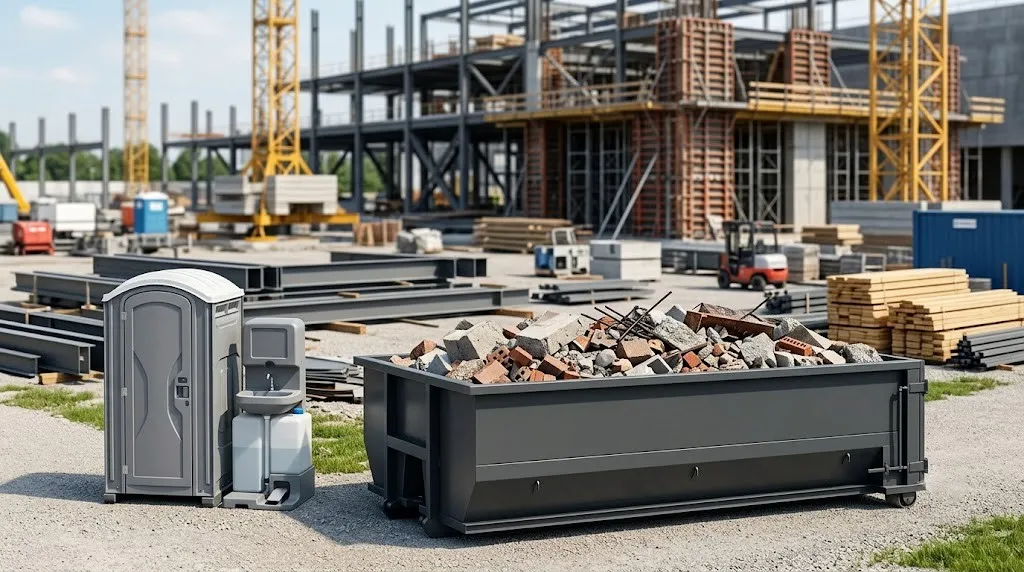
A 20 yard dumpster holds about 3 tons of debris and weighs roughly 4,000 to 5,000 pounds empty, depending on the manufacturer and steel gauge. That empty weight matters because haulers subtract it from the total weighed at the scale to figure your debris tonnage, and it's how overage charges get calculated fairly. This size fits most single-room remodels, roof tear-offs under 2,000 square feet, and yard cleanups, the kind of scope covered on the portable toilet rental page when a crew also needs sanitation on site. If you're not sure a 20 works for your job, the 10 yard dumpster rental page and the 20 yard dumpster rental page both break down what typically fits inside each. Heavier material like wet drywall, tile, or dirt fills the weight cap fast even in a half-empty box, so don't judge by how full it looks. Evanston households running kitchen or bath renovations tend to land in this range, and pairing the box with a storage container rental keeps tools and fixtures secure while the room is torn up. If your load leans toward concrete, brick, or soil, ask about it before delivery. Some material types get excluded outright, and the what cannot go in a dumpster page covers what haulers won't take regardless of weight room left in the box.
A 40 yard dumpster holds about 5 tons of debris, making it the choice for large demolition jobs, whole-house cleanouts, or commercial construction work generating high volume but lighter material. It's the biggest standard size most companies stock, and it needs real room to place: expect to clear about 60 feet of straight clearance behind the delivery truck so the driver can back it in and slide the box off safely, the same clearance a temporary fence rental crew should account for when fencing the perimeter. Evanston lots vary a lot block to block, so measure your driveway or curb space before booking, and a look at the porta potty placement guide helps you plan the rest of the site layout at the same time. This size works best for bulky, low-density waste like framing lumber, drywall, and furniture rather than dense material like roofing or masonry, which will hit the weight cap long before the box fills visually. For active job sites, pairing a 40 yard box with construction dumpster rental service and general construction site services keeps debris moving off site on a schedule instead of piling up. Under OSHA 1926.25, work areas need scrap and debris cleared regularly, and under 1926.252, disposal setups involving chutes or enclosures have their own handling rules worth checking against your site plan.
Weight limits exist because roll-off trucks have legal gross vehicle weight caps, and overloading one is a road safety and liability problem, not just a billing issue. A truck hauling a 30 yard box loaded past its rated tonnage risks axle damage, tire failure, and citations on the way to the transfer station, the sort of site risk covered on the construction site services page too. This is true whether you're renting in Evanston or comparing notes with someone doing roll off dumpster rental work in Dayton, Ohio, or looking at roll off dumpster rental in San Antonio. Local geography doesn't change the physics. Haulers set per-yard weight allowances based on truck specs, and going over means paying a per-ton overage fee added to your invoice after the load gets weighed. Dense debris like concrete, dirt, and shingles is the most common cause of unexpected overages, since it's heavy in small volume, much like how a septic pumping service job deals with dense waste in small tanks. Before ordering, check the dumpster permit requirements page if the box needs to sit in a right-of-way, since placement rules vary and should be confirmed directly with the city. Wilmette sits about 4.1 miles northwest of Evanston, and weight rules there follow the same general logic, though local haulers and disposal fees differ site to site; see porta potty rental in Wilmette for that market specifically.
Most 30 yard boxes cap around 4 tons included in the base rental. Go over that, and the hauler bills a per-ton overage fee after weighing the load at the transfer station. Ask your provider for their specific cutoff before delivery, since it varies by company and truck.
You get billed for the overage, calculated per ton past the included allowance. In rare cases, if the load is dangerously heavy, the driver may refuse to haul it until some material is removed on site.
Not directly. A 40 yard box holds more volume than a 20 yard, but dense material like concrete or dirt hits the weight cap long before the box looks full. Match debris type to size using the dumpster sizes and dimensions guide.
Sometimes, but heavy material like this often needs a dedicated box or has strict quantity limits because of how fast it hits weight caps. Check the what cannot go in a dumpster page and confirm with your hauler before loading.
Start with debris type and estimated volume, not just square footage. Roofing and concrete jobs need smaller boxes rated for weight; bulky cleanouts need more volume. The dumpster rental cost page and a quick call to request a quote usually settles it fast.
Yes. Evanston Porta Pros delivers dumpster weight limits across Evanston and the surrounding metro, with same-day and next-day drop-off available on most orders.
Pricing depends on the unit and how long you need it. See our cost breakdown and request a free quote for an exact figure.
Standard rentals include scheduled service — a pump-out, a clean, a restock and fresh deodorizer. Busy or hot-weather sites can be serviced more often.
Call now or request a free quote — clean units, on-time delivery, transparent pricing.